From Summer Heat to Fall Allergies: Comparing Dry Eye Treatments for Plano Patients
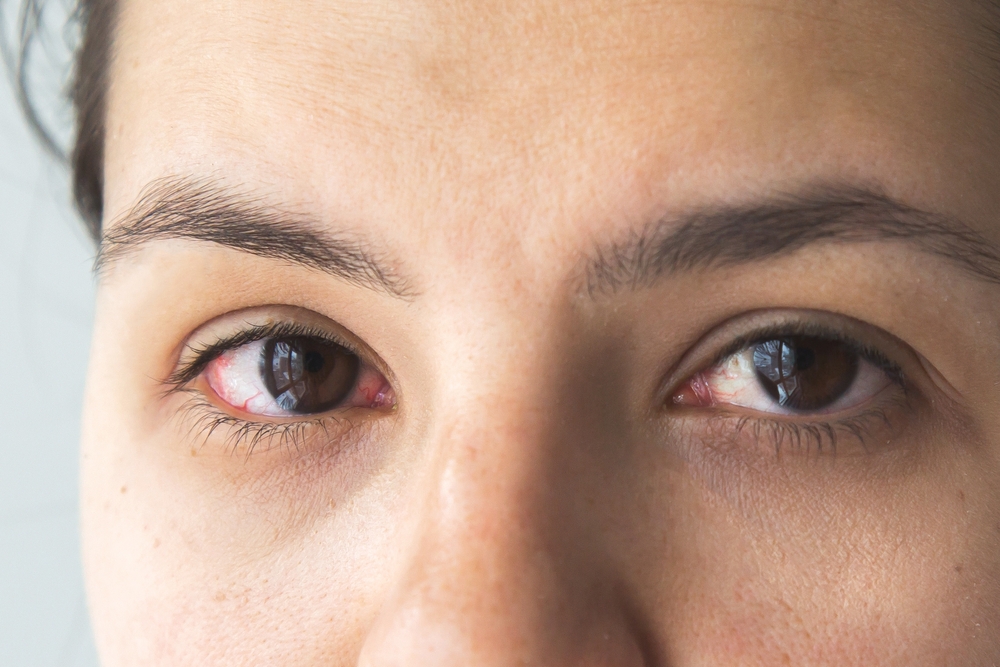
As summer gives way to fall in Plano, changing environmental conditions can affect how your eyes feel. Heat, air conditioning, wind, and seasonal allergens can contribute to irritation, while fall allergens such as ragweed may bring itching, redness, and watery eyes. For people who already have dry eye disease, these seasonal changes can make symptoms more noticeable.
At Motiveyes Eye Care, we take a closer look at what may be contributing to dry eye symptoms before recommending treatment. Depending on the cause and severity of your dry eye, options may include specific lubricating eye drops, prescription drops, localized heat therapy, or iLUX treatment for the meibomian glands.
Recognizing Dry Eye During Seasonal Changes
Dry eye disease occurs when the tear film does not adequately support the surface of the eyes. Symptoms can sometimes overlap with seasonal allergies, making it difficult to know what is causing the discomfort without an evaluation.
Signs that may indicate dry eye include:
- Red or irritated eyes
- A dry or gritty sensation
- Excessive watering
- Eye discomfort or pain
- Fluctuating blurry vision
- Symptoms that persist despite using basic eye drops
An individualized dry eye evaluation can help determine whether tear quality, environmental factors, meibomian gland dysfunction, or another issue is contributing to your symptoms.
OTC Lubricating Drops for Everyday Dry Eye Relief
Over-the-counter lubricating eye drops are often one of the first things people try when their eyes feel dry. However, not every OTC eye drop is designed the same way, and not all over-the-counter drops are helpful for dry eye disease.
Choosing the appropriate lubricating drop depends on your specific needs. Rather than repeatedly trying different products, our eye doctor can recommend an option based on the type of dry eye you have.
When Prescription Eye Drops May Be Recommended
For some Plano patients, over-the-counter lubrication may not provide enough relief. Prescription eye drops can be incorporated into a personalized dry eye management plan when more targeted treatment is needed.
Because dry eye is a chronic condition with multiple possible causes, prescription treatment should be selected based on an evaluation rather than symptoms alone. Your eye doctor can determine whether prescription drops may be appropriate and how they fit alongside other treatments.
Localized Heat Therapy for Dry Eye
The oil-producing meibomian glands along the eyelids play an important role in keeping tears from evaporating too quickly. When these glands are not functioning properly, the tear film can become unstable.
Localized in-office heat therapy can help address problems involving these eyelid oil glands. Applying controlled heat can help soften thickened oils and support healthier gland function, particularly for patients with evaporative dry eye.
How iLUX Targets Meibomian Gland Dysfunction
iLUX takes treatment a step further by combining heat and gentle pressure to help clear obstructions from the meibomian glands. By improving the flow of natural oils, treatment can help support a more stable tear film and reduce excessive tear evaporation.
Rather than assuming seasonal irritation is something you simply have to tolerate, identifying the underlying cause can help determine whether lubricating drops, prescription medication, heat therapy, iLUX, or a combination of approaches is appropriate.
For personalized dry eye treatment through the changing seasons, schedule a dry eye evaluation with Motiveyes Eye Care in Plano, TX, by calling (469) 656-8361.




Phone Hours : Mon-Fri 8:30 AM - 5:00PM
Patient Care Hours
| Monday | Closed |
| Tuesday | 10:00am - 5:00pm |
| Wednesday | 10:00am - 5:00pm |
| Thursday | 10:00am - 5:00pm |
| Friday | Closed |
| Saturday | 10:00 AM - 3:00 PM (By Appointment Only) |
| Sunday | Closed |
WEEKDAY WALK-IN HOURS 11:00 AM- 4:00 PM
ALTERNATING MONDAYS 10:00 AM- 5:00 PM
ALTERNATING FRIDAYS 10:00 AM- 2:00 PM
EXTENDED WEDNESDAYS 10:00 AM- 6:00 PM*
*By Appointment Only
*By Appointment Only


PATIENT CARE HOURS

- Monday Closed
- Tuesday 10:00am - 5:00pm
- Wednesday 10:00am - 5:00pm
- Thursday 10:00am - 5:00pm
- Friday Closed
- Saturday 10:00 AM - 3:00 PM (By Appointment Only)
- Sunday Closed
WEEKDAY WALK-IN HOURS 11:00 AM- 4:00 PM
PATIENT CARE HOURS
- Monday 10:00am - 4:30pm
- Tuesday Closed
- Wednesday Closed
- Thursday Closed
- Friday 10:00am - 3:00pm
- Saturday Closed
- Sunday Closed
WEEKDAY WALK-IN HOURS 11:00 AM- 4:00 PM
follow us

© 2026 Motiveyes Eye Care All rights Reserved. Privacy Policy Sitemap
Powered by